Welcome to Cryptofinancialgainers.com



Durante toda a minha vida, eu nunca soube que poderia ganhar mais do que meu trabalho das 9 às 5 no dia de negociação de criptomoedas, eu realmente aprecio a Cryptofingain por esta grande oportunidade.
thanks to cryptofingain, making money from home just got easier for me.
i am an investor from Indonesia, i came across CRYPTOFINGAIN few months ago, since then this has been a life saver for me. i will forever appreciate the day i found Cryptofingain.
Durante toda a minha vida, eu nunca soube que poderia ganhar mais do que meu trabalho das 9 às 5 no dia de negociação de criptomoedas, eu realmente aprecio a Cryptofingain por esta grande oportunidade.
How to use Bitcoin
Bitcoin is a decentralized digital currency without a central bank or single administrator that can be sent from user to user on the peer-to-peer bitcoin network without the need for intermediaries.
Transactions are verified by network nodes through cryptography and recorded in a public distributed ledger called a blockchain.
Bitcoin was invented in 2008 by an unknown person or group of people using the name Satoshi Nakamoto and started in 2009 when its source code was released as open-source software.
Bitcoins are created as a reward for a process known as mining. They can be exchanged for other currencies, products, and services.
A cryptocurrency exchange or a digital currency exchange is a business that allows customers to trade cryptocurrencies or digital currencies for other assets, such as conventional fiat money or other digital currencies. A cryptocurrency exchange can be a market maker that typically takes the bid-ask spreads as a transaction commission for is service or, as a matching platform, simply charges fees.
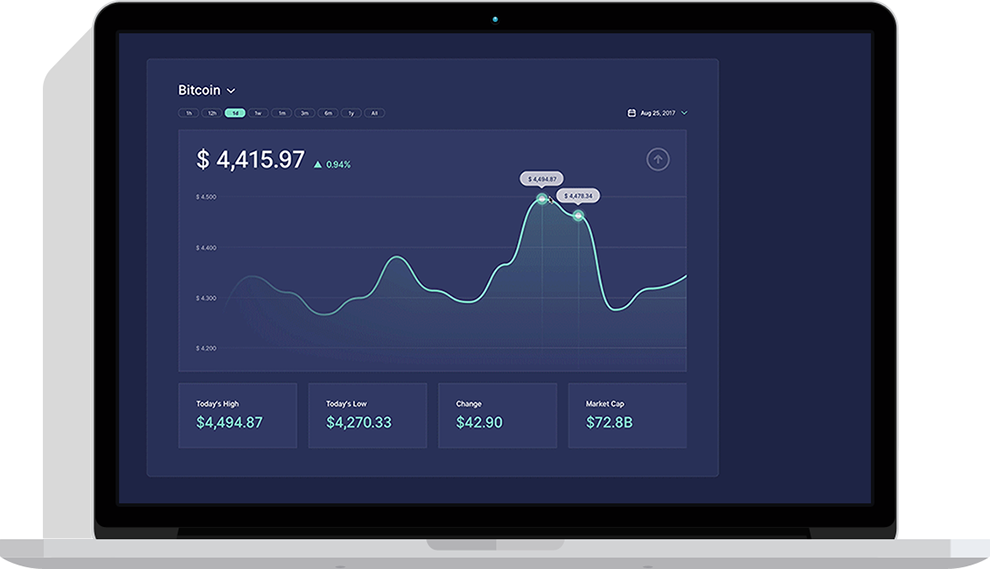
Today Current Rate
Our Services
Be sure in your account security and your funds safety
Our platform supports modern mobile app browsers
Get paid through your bitcoin wallet address in less than 24hrs of payout request
Our dedicated support team are readily available to give support 24/7
Easy cryptocurrency exchange between wallets
We do the buying and selling for you, feel relax
It’s not good having Bitcoin as an investment if you don’t know how you might one day shift it to turn a profit. Digital Trends isn’t about to give out investment advice, that’s not our forte, but we can break down the technical fundamentals for you, like how to sell Bitcoin.
Investing in Bitcoin can seem complicated, but it is much easier when you break it down into steps. You don't have to understand computer programming to realize that banks, businesses, the bold, and the brash are cashing in on cryptocurrencies.
Team of expert awaits to help you manage your investment in the blockchain network today
Platform
Protection 80%
Protection 80%
Protection 80%
Read our of frequently asked questions
Crypto financial gain is a multi-functional platform for trading cryptocurrencies. It provides an advanced order matching algorithm, a high-liquidity order book, and a rich variety of trading tools. Combining an intuitive interface and advanced trading possibilities, it will empower your trading and help you grow your portfolio.
A cryptocurrency exchange or a digital currency exchange is a business that allows customers to trade cryptocurrencies or digital currencies for other assets, such as conventional fiat money or other digital currencies
download the coinbase app Open a free account with coinbase Deposit your budget to your account. purchase how much you wish to spend invest, then place an order. Confirm order and click “buy BTC”.
Ethereum provides a cryptocurrency token called “Ether”, the crypto-fuel for the Ethereum network. Ethereum is a distributed blockchain based platform that runs smart contracts. This technology enables the system to move value, store registered debts or data, and provide safe exchange of valuable information between its users, all without a middle man or counterparty risk.
Ethereum was built in order to facilitate blockchain application development. It was initially proposed by programmer Vitalik Buterin in 2013, and the project got crowdfunded in 2014.
Before owning any bitcoin, you need somewhere to store them. That place is called a “wallet.” Rather than actually holding your bitcoin, it holds the private key that allows you to access your bitcoin address (which is also your public key). If the wallet software is well designed, it will look as if your bitcoins are actually there, which makes using bitcoin more convenient and intuitive.
Actually, a wallet usually holds several private keys, and many bitcoin investors have several wallets.
Wallets can either live on your computer and/or mobile device, on a physical storage gadget, or even on a piece of paper. Here we’ll briefly look at the different types.
https://www.shutterstock.com/image-photo/bitcoin-wallet-632713022?src=R4e0UNzpFzWaNEA3OFJQOQ-1-37 Electronic wallets Electronic wallets can be downloaded software, or hosted in the cloud. The former is simply a formatted file that lives on your computer or device, that facilitates transactions. Hosted (cloud-based) wallets tend to have a more user-friendly interface, but you will be trusting a third party with your private keys.
Software wallet Installing a wallet directly on your computer gives you the security that you control your keys. Most have relatively easy configuration, and are free. The disadvantage is that they do require more maintenance in the form of backups. If your computer gets stolen or corrupted and your private keys are not also stored elsewhere, you lose your bitcoin.
They also require greater security precautions. If your computer is hacked and the thief gets a hold of your wallet or your private keys, he also gets hold of your bitcoin.
The original software wallet is the Bitcoin Core protocol, the program that runs the bitcoin network. You can download this here (it doesn’t mean that you have to become a fully operational node), but you’d also have to download the ledger of all transactions since the dawn of bitcoin time (2009). As you can guess, this takes up a lot of memory – at time of writing, over 145GB.
Most wallets in use today are “light” wallets, or SPV (Simplified Payment Verification) wallets, which do not download the entire ledger but sync to the real thing. Electrum is a well-known SPV desktop bitcoin wallet that also offers “cold storage” (a totally offline option for additional security). Exodus can track multiple assets with a sophisticated user interface. Some (such as Jaxx) can hold a wide range of digital assets, and some (such as Copay) offer the possibility of shared accounts.
Online wallet Online (or cloud-based) wallets offer increased convenience – you can generally access your bitcoin from any device if you have the right passwords. All are easy to set up, come with desktop and mobile apps which make it easy to spend and receive bitcoin, and most are free.
The disadvantage is the lower security. With your private keys stored in the cloud, you have to trust the host’s security measures, and that it won’t disappear with your money, or close down and deny you access.
Some leading online wallets are attached to exchanges (such as Coinbase and Blockchain). Some offer additional security features such as offline storage (Coinbase and Xapo).
Mobile wallets Mobile wallets are available as apps for your smartphone, especially useful if you want to pay for something in bitcoin in a shop, or if you want to buy, sell or send while on the move. All of the online wallets and most of the desktop ones mentioned above have mobile versions, while others – such as Abra, Airbitz and Bread – were created with mobile in mind.
Hardware wallets Hardware wallets are small devices that occasionally connect to the web to enact bitcoin transactions. They are extremely secure, as they are generally offline and therefore not hackable. They can be stolen or lost, however, along with the bitcoins that belong to the stored private keys. Some large investors keep their hardware wallets in secure locations such as bank vaults. Trezor, Keepkey and Ledger and Case are notable examples.
Paper wallets Perhaps the simplest of all the wallets, these are pieces of paper on which the private and public keys of a bitcoin address are printed. Ideal for the long-term storage of bitcoin (away from fire and water, obviously), or for the giving of bitcoin as a gift, these wallets are more secure in that they’re not connected to a network. They are, however, easier to lose.
With services such as WalletGenerator, you can easily create a new address and print the wallet on your printer. Fold, seal and you’re set. Send some bitcoin to that address, and then store it safely or give it away. (See our tutorial on paper wallets here.)
Are bitcoin wallets safe? That depends on the version and format you have chosen, and how you use them.
The safest option is a hardware wallet which you keep offline, in a secure place. That way there is no risk that your account can be hacked, your keys stolen and your bitcoin whisked away. But, if you lose the wallet, your bitcoin are gone, unless you have created a clone and/or kept reliable backups of the keys.
The least secure option is an online wallet, since the keys are held by a third party. It also happens to be the easiest to set up and use, presenting you with an all-too-familiar choice: convenience vs safety.
Many serious bitcoin investors use a hybrid approach: they hold a core, long-term amount of bitcoin offline, while having a “spending balance” for liquidity in a mobile account. Your choice will depend on your bitcoin strategy, and your willingness to get “technical.”
Whatever option you go for, please be careful. Back up everything, and only tell your nearest and dearest where your backups are stored.
Our Blog
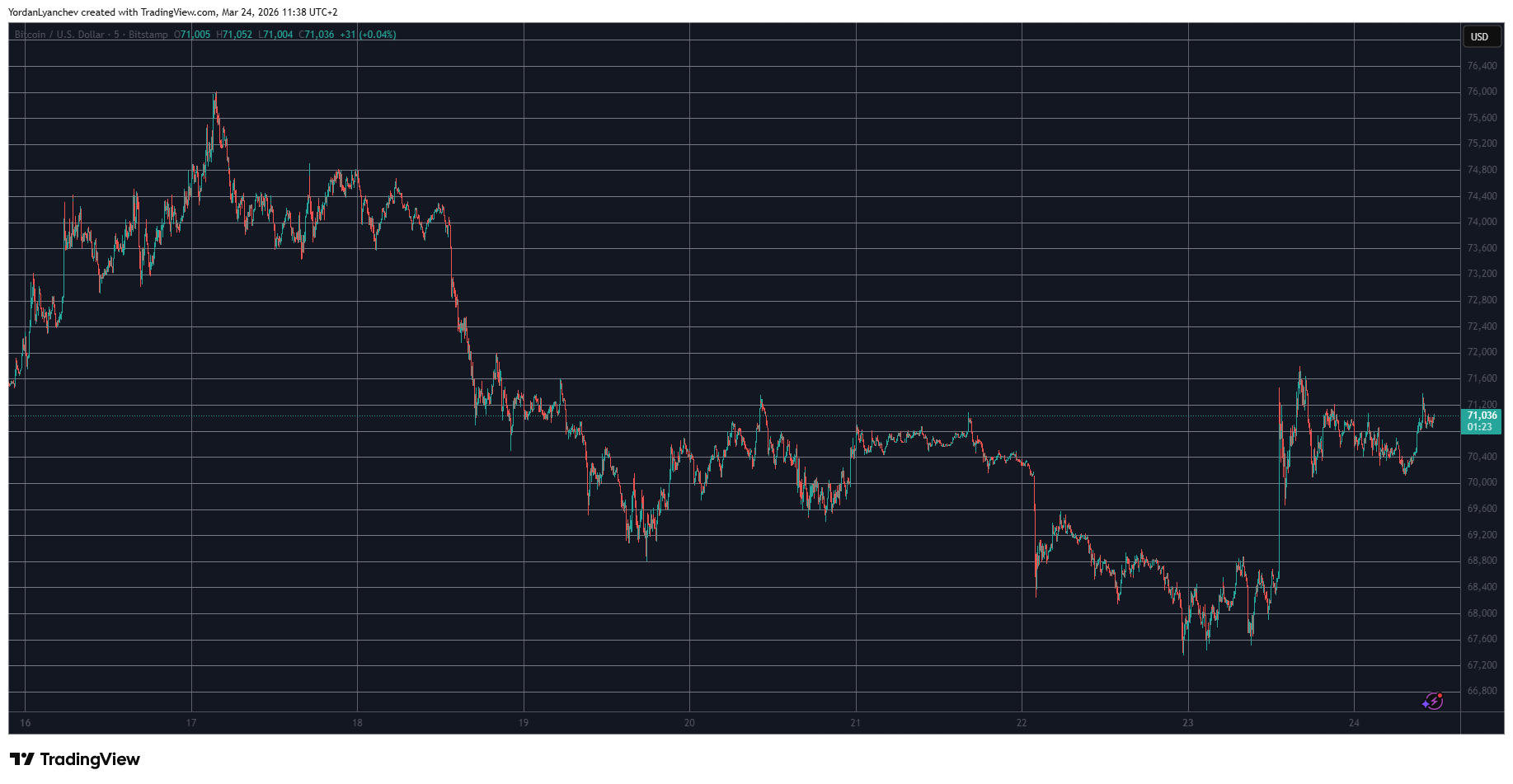
Bitcoin went through another volatile trading session yesterday after the latest developments on the...

CZ argues that for the U.S. to become the global crypto capital, it must increase competition and li...
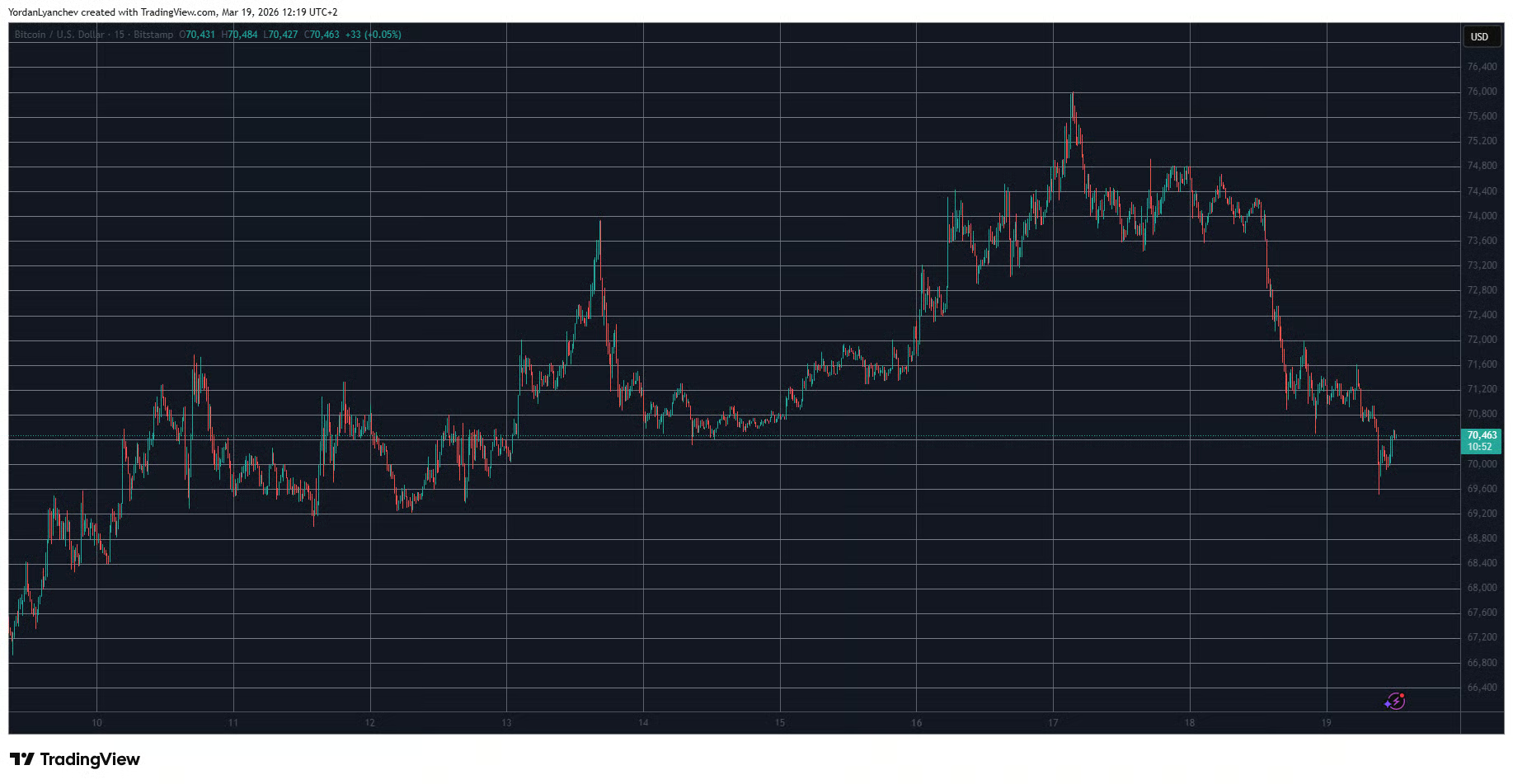
Bitcoin’s price rejection at $76,000 a couple of days ago only accelerated yesterday and earlier tod...
Premium 24/7 support available to all customers worldwide by phone or email. Dedicated account managers for partners.